
Fashion photography has always danced between artistry and commerce, but the rise of social platforms has rewritten the rules of how talent gets discovered. What once required years of assisting established names and knocking on agency doors can now happen through a well-curated feed and a genuine creative voice. This shift has opened doors for photographers whose work eventually lands them coveted spots in publications, proving that the path from smartphone screens to glossy pages is more accessible than ever.
The essentials
- Social media platforms have democratized fashion photography, allowing artists to bypass traditional industry gatekeepers and get discovered through their online portfolios.
- Modern photographers are increasingly building versatile careers by showcasing a wide range of genres, from street style to personal branding, directly to editors and brands.
- The relationship between social media and print media has become symbiotic, with editors actively scouting talent on digital platforms for features and cover stories.
- Successful fashion photography now emphasizes authentic visual storytelling and a cohesive, signature style rather than relying solely on technical perfection.
- Current industry trends favor cinematic, emotionally grounded narratives where subjects interact naturally with their environments, moving away from rigid, static posing.
- Historical shifts in fashion photography continue to influence modern aesthetics, merging past artistic movements with today's digital, naturalistic sensibilities.
From Instagram Feeds to Editorial Spreads: The Digital Revolution in Fashion Photography
The transformation of fashion photography into a social-media-driven discipline has changed how talent gets noticed. Where photographers once relied solely on print portfolios and gallery introductions, many now build entire careers through consistent online presence. A photographer working across genres such as street style, travel and architecture, lifestyle, and personal branding can showcase range in ways that traditional portfolios simply couldn't accommodate. This breadth, spanning categories from London street scenes to people captured around the world, allows editors and brands to see versatility at a glance.
Building a portfolio through social media platforms
Social platforms have essentially become living portfolios. A photographer offering services in fashion, advertising, headshots, personal branding, and even dating photography can demonstrate technical range without waiting for a print publication to validate their work. This immediacy matters enormously in an industry where trends shift quickly and editors are constantly scouting fresh visual voices. The democratic nature of these platforms means that talent from any city, not just established fashion capitals, can gain traction if the work resonates.
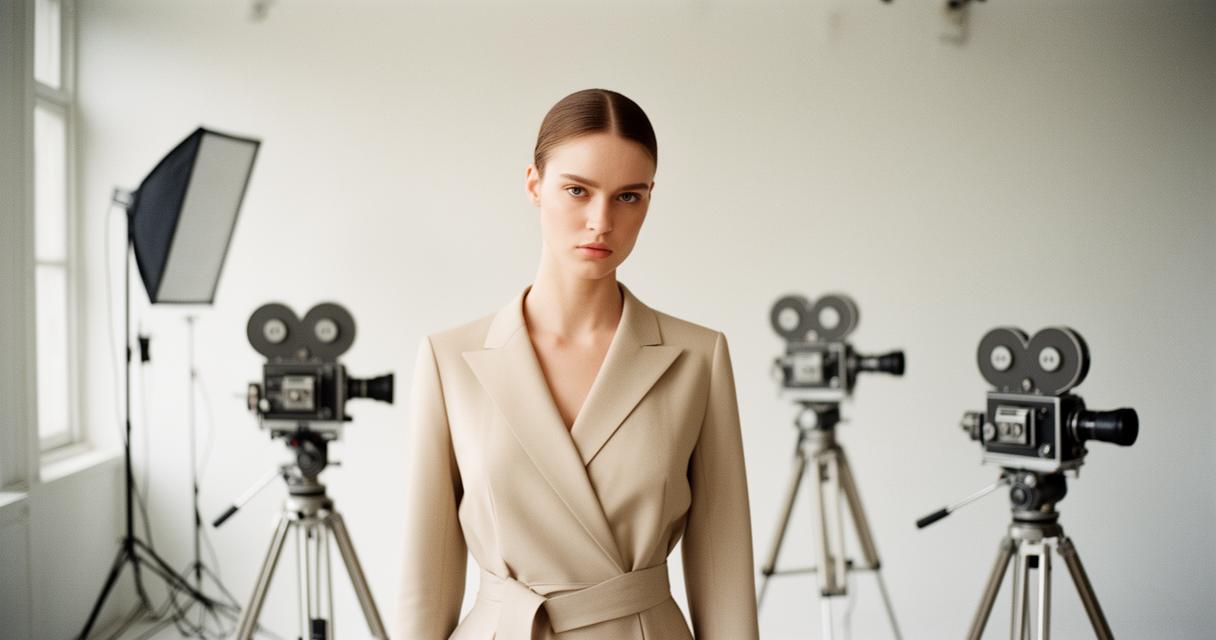
How Fashion Photographers Caught the Eye of Magazine Editors Online
Consider the collaborative work between Christine Adams and photographer Ian Kobylanski, which resulted in a striking cover story for LE MILE Magazine. This kind of partnership often begins online, where editors browse portfolios and reach out directly rather than waiting for formal submissions. The shoot itself, dated for January 2026, was designed around a restrained, cinematic, and emotionally grounded aesthetic. Styled as a city retreat, the imagery aimed to capture introspection and escape, using a cluttered kitchen, exposed brickwork, and a working wood fireplace as backdrop elements. Props like an overnight bag and scattered groceries added authenticity, whilst the lighting remained deliberately restrained to let the narrative breathe rather than distract with technical flourish.
Mastering the Art of Visual Storytelling: What Makes a Fashion Photographer Stand Out
Standing out in a saturated digital landscape requires more than technical competence. It demands a recognisable point of view. The most successful image-makers blend influences from advertising photography, street photography, and personal branding into a cohesive visual language that feels distinctly their own.
Developing a Signature Style in Trendy Fashion Photography
Fashion imagery has always evolved alongside cultural shifts. David Bailey once described the craft with disarming simplicity, calling it essentially a portrait of someone wearing a dress. Yet the history behind that statement stretches back to Victorian portraiture in the 1840s, long before anyone considered fashion photography a serious art form. It wasn't until Edward Steichen's 1911 series in Art et Decoration that critics began referring to fashion photographs as genuinely artistic work. Condé Nast then transformed Vogue in 1909 into the high-class publication we recognise today, and by the 1920s and 30s, Surrealism had crept into its pages, adding dreamlike qualities to fashion imagery.
Wartime austerity brought a make-do-and-mend sensibility to the craft, before Christian Dior's New Look in 1947 signalled a dramatic post-war shift towards abundance and femininity. The 1950s embraced dynamic street photography, and by the 1960s, Bailey's work had come to define Swinging London entirely. Each decade brought its own visual grammar, from the exploration of sexuality in the 1970s to alternative beauty standards celebrated in 1980s style publications. The 1990s, meanwhile, leaned into naturalistic depictions of everyday life, a sensibility that echoes strongly in today's cinematic imagery trends.
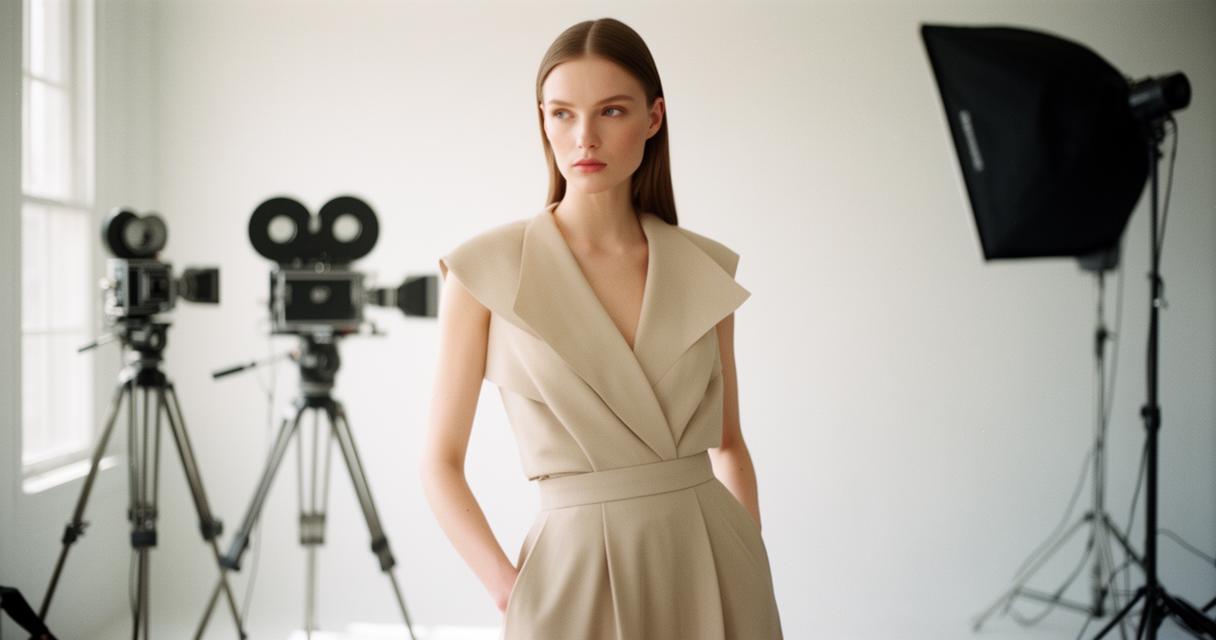
Engaging your audience whilst maintaining professional standards
Modern fashion photography now favours elaborate narratives over static posing. The guidance given during contemporary shoots often focuses on natural interactions rather than rigid direction, allowing subjects to inhabit a scene rather than merely perform for the camera. This narrative-driven approach has even influenced institutions like the V&A, which has expanded its collection of men's fashion imagery in response to changing tastes and broader definitions of style.
The Journey from Social Media Influence to Photography Magazine Recognition
The relationship between online presence and traditional publishing has grown increasingly symbiotic. Research conducted by Athena Choi from the Hong Kong Design Institute, published in the International Journal of Management and Applied Research, examined exactly how this dynamic plays out in practice.
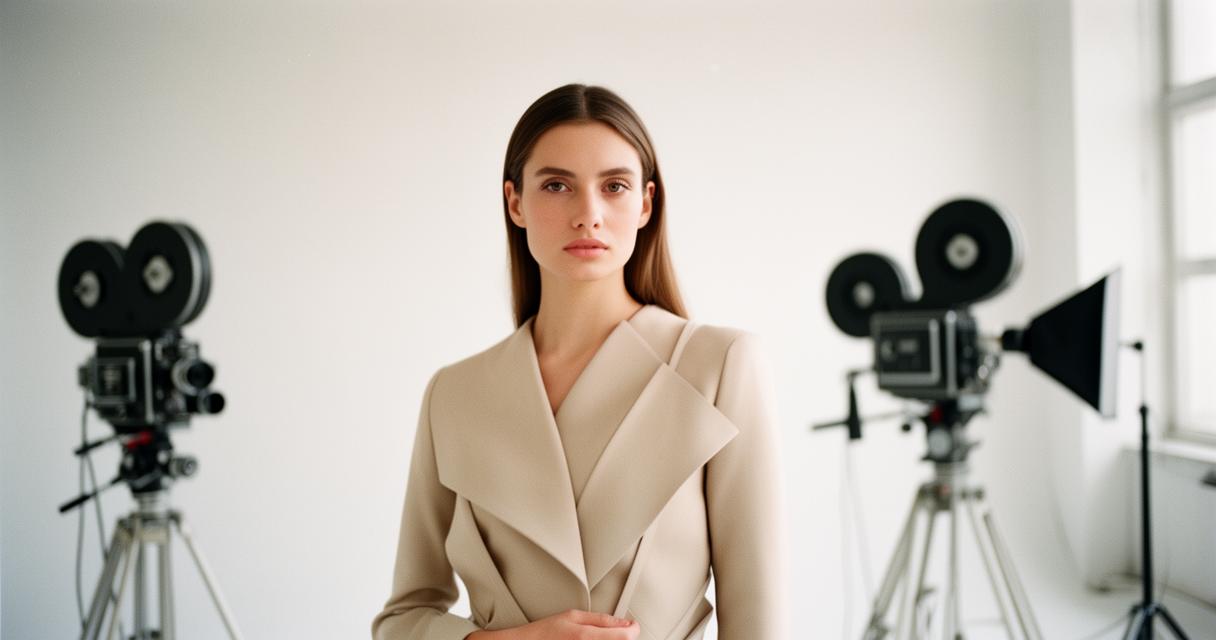
Networking strategies that opened doors to traditional publications
Choi's study, titled Fashion Photography on Social Media: Insights from Hong Kong Fashion Image Producers, involved in-depth interviews with twenty professionals working in the field. Twelve respondents averaged around three years of experience, whilst eight brought roughly fifteen years of industry knowledge to the conversation. The findings revealed that social media has created an entirely new communication model between image producers and their audiences, one that bypasses traditional gatekeepers whilst still feeding into them eventually. Young fashion bloggers, once dismissed as amateurs, are increasingly viewed as legitimate career entrants, even as questions about their professionalism persist within established circles.
Balancing Commercial Success with Artistic Integrity in Fashion Photography
Three conceptual themes emerged consistently throughout Choi's research: identity expression, artistic expression, and trend diffusion. These themes capture how photographers use social platforms not merely to promote work but to explore personal creative identity whilst simultaneously shaping broader style movements. The study concluded that social media has fundamentally altered the landscape for traditional media, presenting genuine challenges alongside fresh opportunities. Brands, the research suggests, would do well to engage directly with blogs and grasp the new forms of taste leadership emerging outside conventional editorial structures. For photographers navigating this space, the lesson seems clear: authentic portfolio building, consistent collaborative work, and a willingness to blend commercial savvy with genuine artistic vision remain the surest route from a social feed to a magazine spread.