Choosing a camera that can keep pace with your creative ambitions is no small task, especially when you want one machine to handle both stunning stills and smooth, professional-looking footage. This is where hybrid cameras come into their own, blending the best bits of traditional DSLRs with the agility of mirrorless systems. Whether you are just starting out or looking to upgrade your kit for more demanding shoots, understanding what separates a decent hybrid camera from a truly great one will save you both money and frustration down the line.
In brief
- Hybrid cameras are versatile devices designed to excel in both professional-quality photography and cinematic video production without compromises.
- Essential technical specifications to evaluate include sensor size for image quality, resolution for detail, and effective image stabilisation for smooth handheld footage.
- Choosing the right camera requires assessing your primary creative focus, with specific models like the Fujifilm X-S20, Sony a6700, and Canon EOS R8 serving different budget and performance needs.
- Lens compatibility and ecosystem flexibility are critical long-term factors, as choosing a brand often locks you into a specific range of optical glass and mounts.
- Weather-sealed body construction is vital for shooting outdoors in harsh environmental conditions like rain, dust, or humidity.
- Usability features such as articulating screens and touchscreen interfaces facilitate better composition in complex angles and self-monitoring for video creators.
- Investing in photography education and mastering post-editing software are necessary steps to maximize the potential of any hybrid camera system.
Understanding hybrid camera technology and core features
What Makes a Camera 'Hybrid' and Why It Matters
A hybrid camera is essentially a jack-of-all-trades, designed to excel at both photography and videography without forcing you to compromise on either front. Unlike older DSLR models that were built primarily with stills in mind, today's hybrid systems come equipped with the tools needed to produce cinematic video alongside crisp, detailed photographs. This versatility matters enormously if you are the sort of creator who might be shooting a wedding one weekend and filming a short documentary the next. For those keen to sharpen their skills alongside their equipment, enrolling in photography courses or working through online tutorials can make a genuine difference in how quickly you master your new gear.
Essential specifications: sensor size, resolution, and image stabilisation
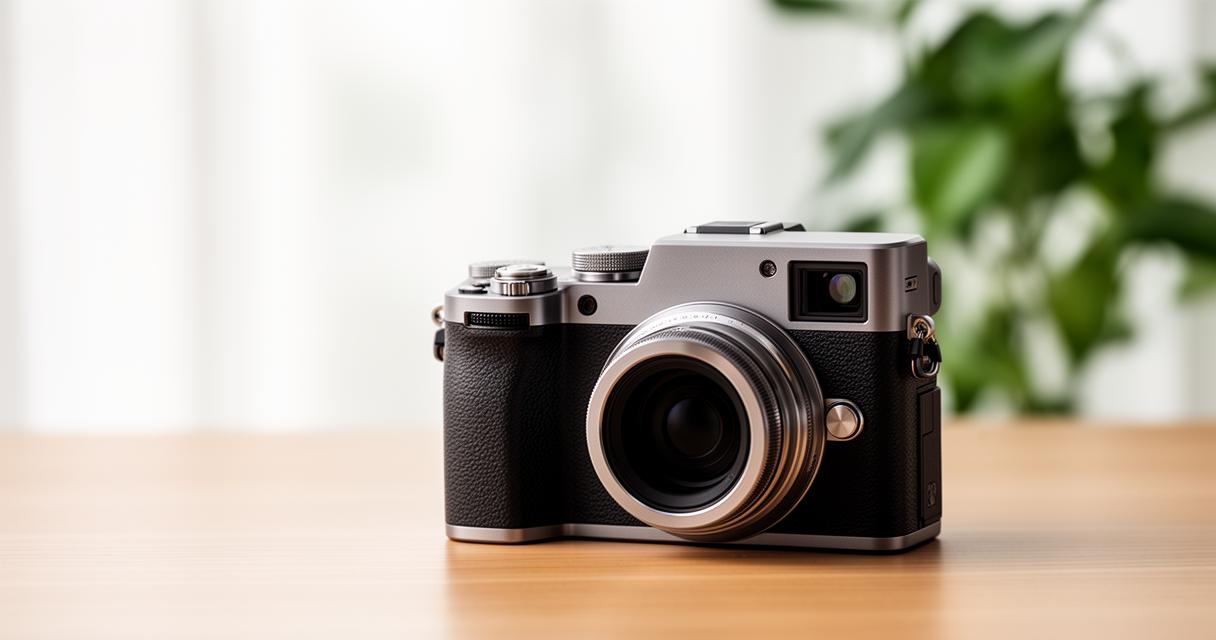
When you start comparing models, a handful of specifications will repeatedly come up, and for good reason. Sensor size has a huge bearing on image quality, particularly in tricky lighting, while resolution determines how much detail you can capture and how large you can print your work. Perhaps most crucial for anyone filming handheld is image stabilisation, which smooths out the shakes and wobbles that would otherwise ruin your footage. Many of today's best hybrid cameras also boast 4K video as standard, alongside high frame rates that allow for gorgeous slow-motion sequences and razor-sharp autofocus that tracks moving subjects with impressive accuracy.
Selecting the Perfect Hybrid Camera for Your Shooting Style
Assessing your photography and videography requirements
Before you part with any cash, it is worth having an honest think about what you actually need from your camera. Are you drawn more towards portraiture and landscapes, or is video creation your true passion? For beginners dipping their toes into the world of beginner photography, the Fujifilm X-S20 stands out as a fantastic entry-to-mid-level option, priced at roughly one thousand two hundred pounds and offering a lovely balance of ease of use and capability. If autofocus performance is your priority, the Sony a6700 is well worth considering, coming in at around one thousand five hundred to one thousand six hundred pounds and renowned for tracking subjects with remarkable precision. Meanwhile, those hunting for a budget camera that still delivers full frame camera quality should take a good look at the Canon EOS R8, which sits at approximately one thousand and fifty pounds and represents superb value for money.
Lens compatibility and system flexibility across brands
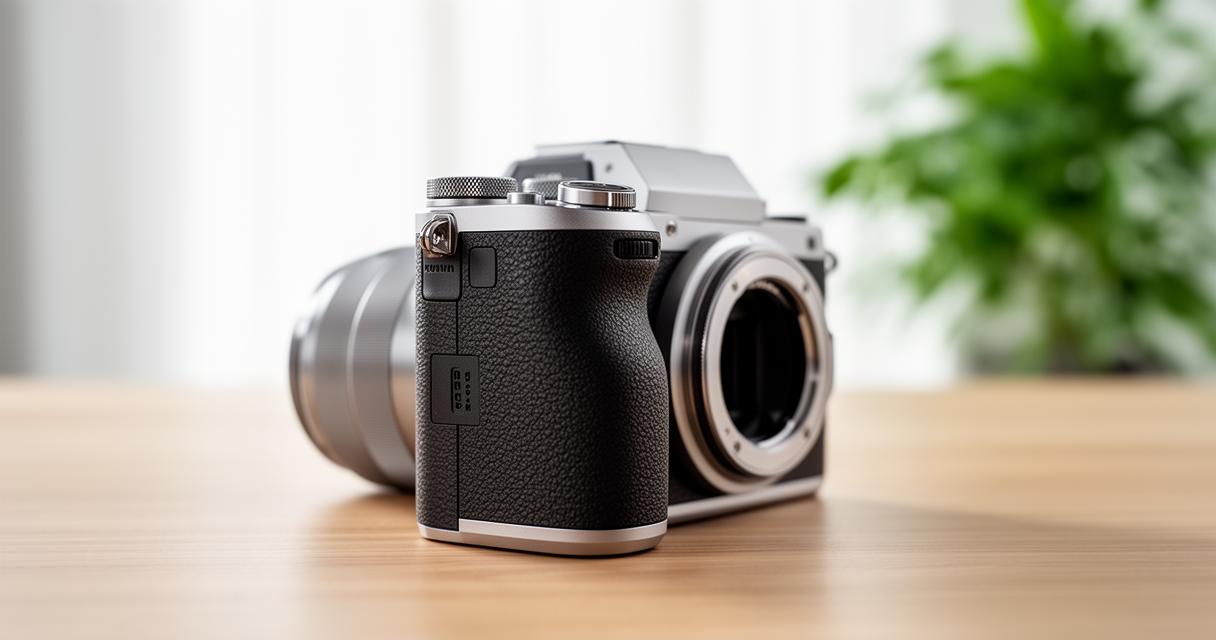
Choosing a camera body is only half the story, as lens compatibility and overall system flexibility will shape your experience for years to come. Different manufacturers use different mounts, so it pays to consider which brand's ecosystem best suits your long-term plans before committing. Panasonic, for instance, has built the Lumix S5 II specifically with video-first creators in mind, and at around one thousand five hundred to one thousand six hundred pounds it offers a compelling range of lenses geared towards cinematic work. For those seeking something more geared towards professional photography, the Nikon Z6 III arrives with a price tag of roughly two thousand to two thousand one hundred pounds and boasts a growing lineup of high-quality glass. Topping the list for sheer all-round performance is the Fujifilm X-H2S, priced at approximately two thousand six hundred pounds, which pairs beautifully with Fujifilm's well-regarded range of lenses.
Optimising performance across different shooting environments
Low-light capabilities and weather-sealed body construction
Shooting conditions rarely cooperate perfectly, so it is essential to think about how your chosen camera equipment will perform when the light fades or the weather turns. A weather-sealed body construction offers real peace of mind if you often find yourself shooting outdoors in rain, dust, or humidity, protecting your investment from the elements. Equally important is how well a camera copes in low light, since a sensor that struggles once the sun goes down will limit your creative options considerably. Portability also comes into play here, as lugging around a heavy, bulky rig is far less appealing than a compact body that slips easily into a bag yet still delivers on camera specifications that matter.
Touchscreen Interfaces and Articulating Displays for Versatile Composition
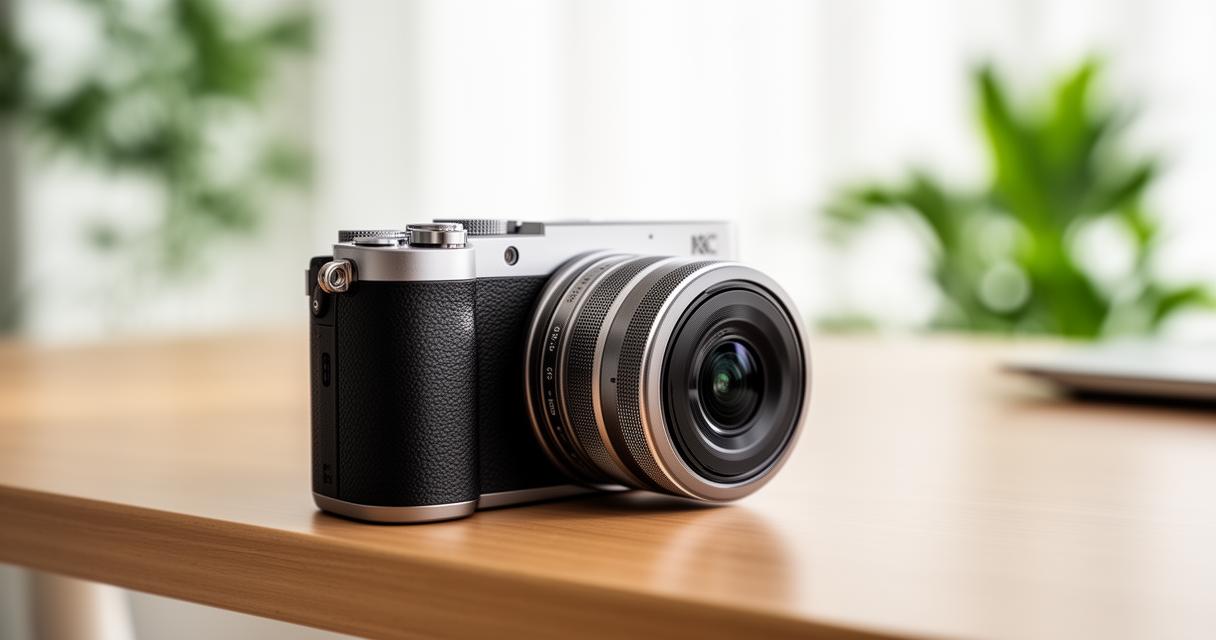
A camera's usability often boils down to small details that make a big difference in practice. Touchscreen interfaces and articulating displays, for example, allow you to compose shots from awkward angles, whether you are filming a vlog or capturing a low-angle landscape shot. Screens that tilt and flip outwards are particularly handy for video creators who need to monitor themselves while recording. Once you have captured your images and footage, refining them in editing software such as Lightroom and Photoshop will help you polish your work to a professional standard. For anyone wanting to deepen their understanding of both the technical and creative sides of the craft, investing time in photography education alongside solid camera recommendations will ensure you get the very most from whichever hybrid camera you eventually choose to call your own.